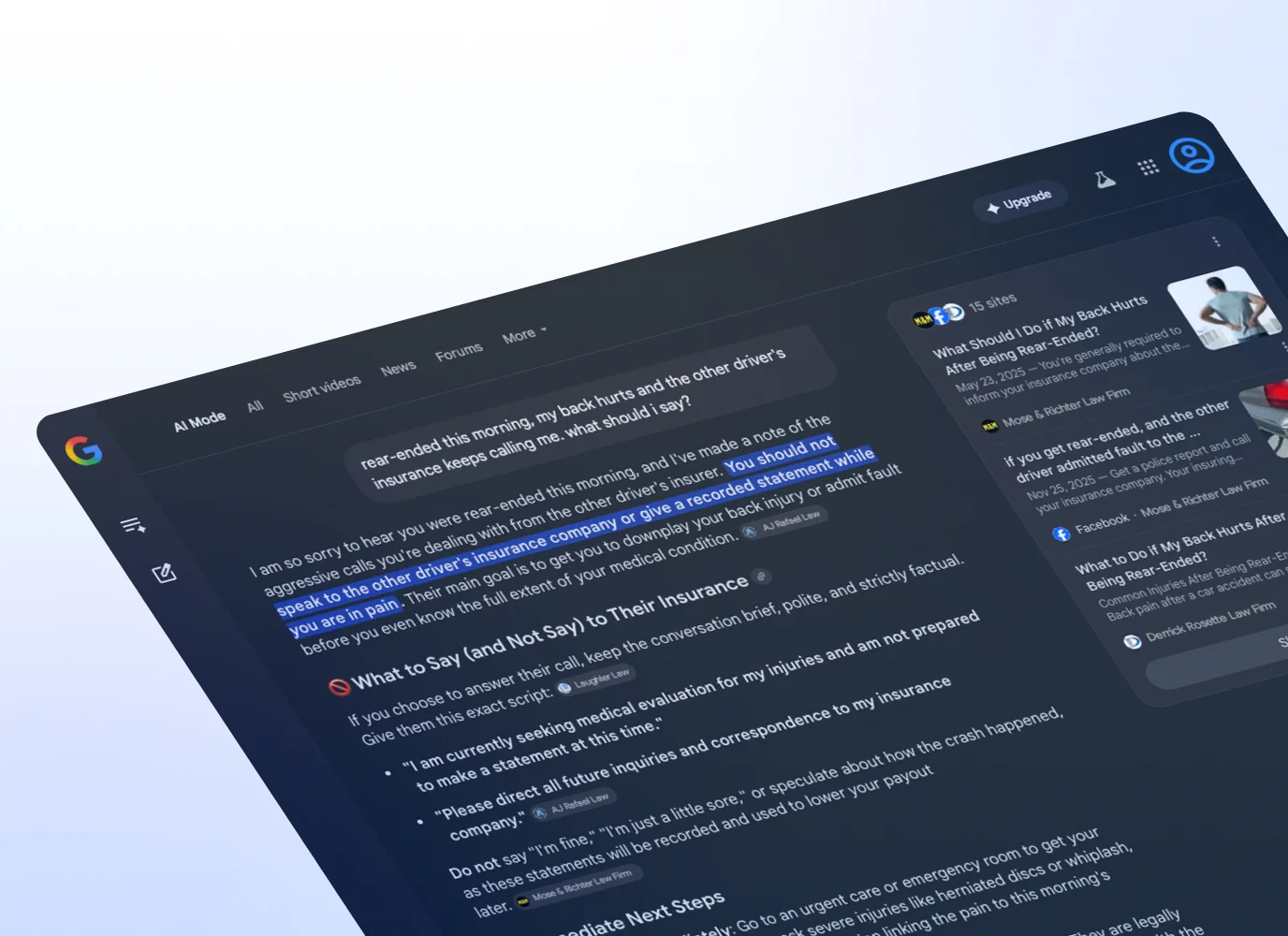
At the Google Marketing Live event, Google announced a new generation of search ads built on its Gemini AI models. If you run a home services business or a law firm, these new formats aren't available to you yet, but the change is worth understanding now.
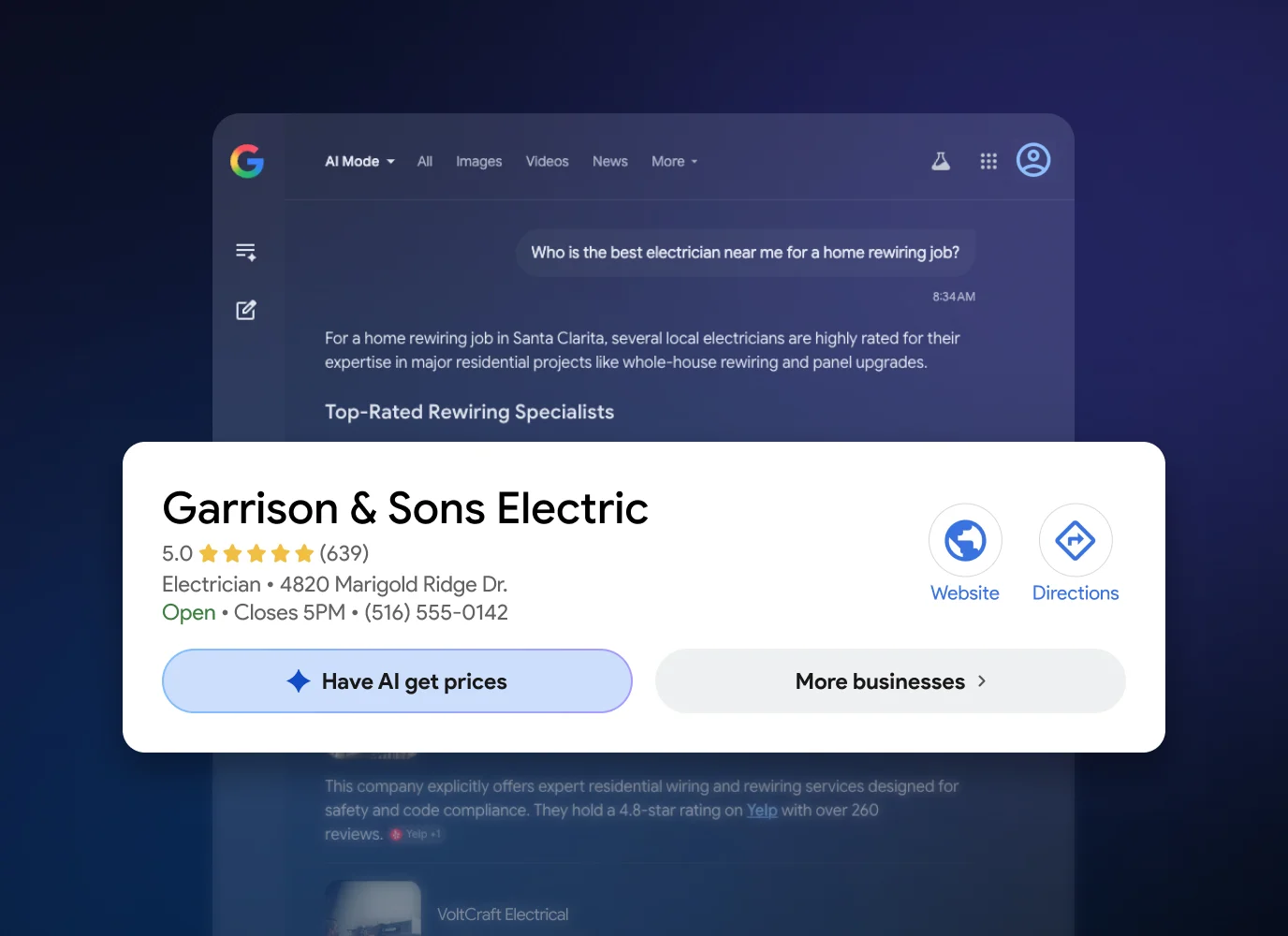
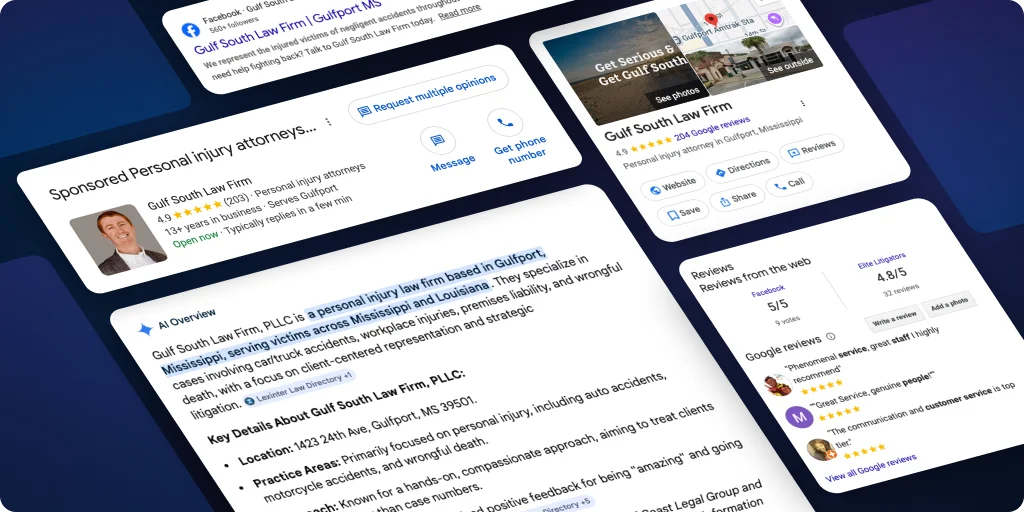
Most people are familiar with how ads have traditionally worked: when someone searches and sees one of your ads, clicking it has always taken them to your website or a landing page. That's starting to change. The ad itself now does some of that work, answering the question right there in the results and giving someone a reason to choose you before they ever click.
That raises a fair question for any local business owner: when the ad becomes the answer, what makes Google choose yours?
Why Keywords Alone Can’t Keep Up With How People Search Now
To understand why this matters, it helps to remember how paid search has worked for years. You picked the words a customer might type, you bid on them, you wrote an ad to match, and if you got good at it, you built a genuine edge.
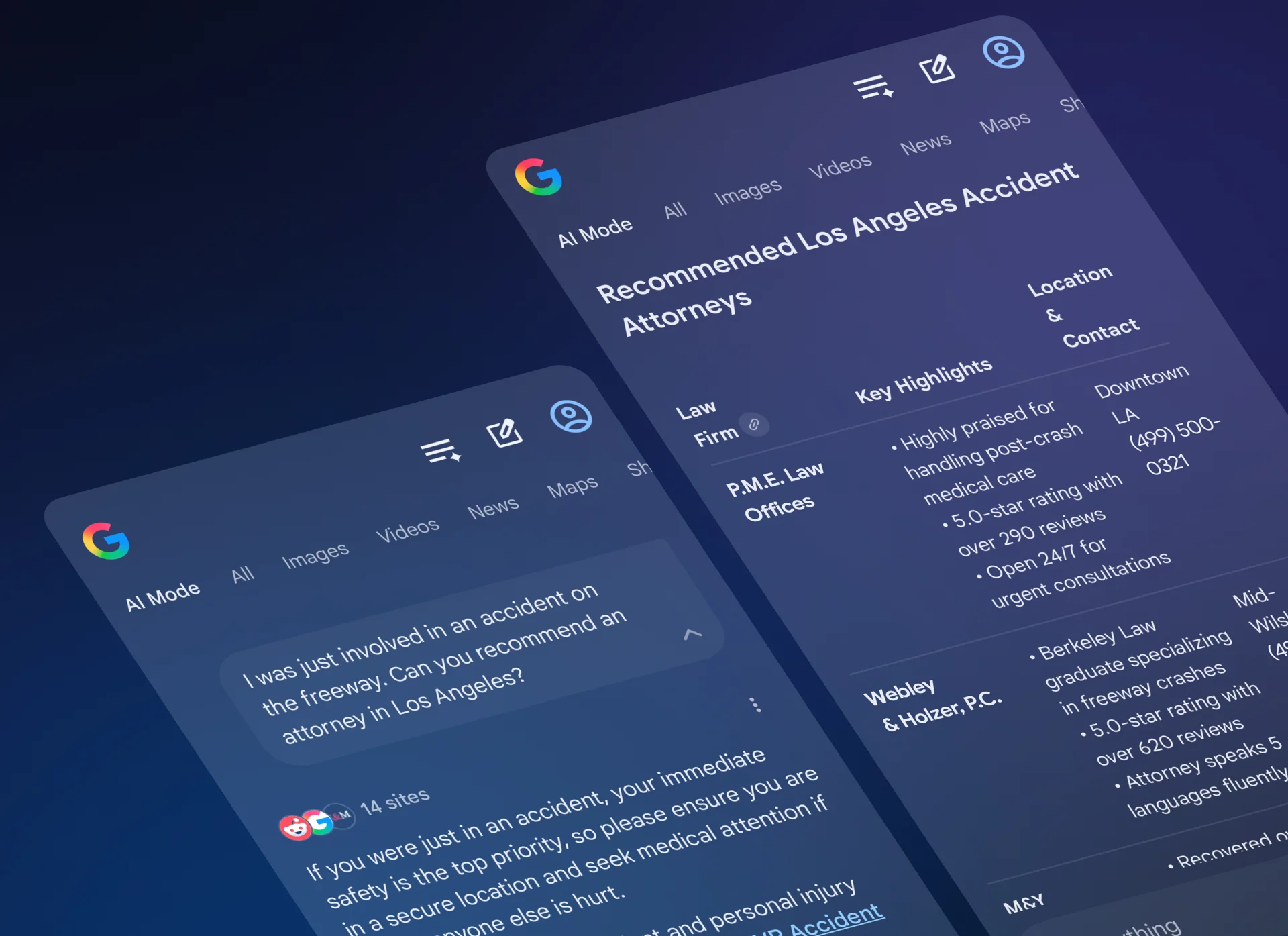
That hasn't gone away, but it's not the whole picture anymore. Some people still type the short stuff, your "plumber near me" Google talk, but others describe the whole situation now. A homeowner who used to search "AC repair" might now type something like "my upstairs is hot but downstairs is fine and the unit is making a clicking sound," and no keyword list you build is ever going to catch that. So Google now uses Gemini to read the full query and build an ad that answers it.
Which is why hand-picked keywords can’t catch every search worth showing up for anymore. The campaigns that win now are the ones that give Google a clear picture of who your best customers are, then let it go find more of them.
Google's AI Max for Search, along with Performance Max and Demand Gen, are built to help you show up in those longer, conversational searches that manual keywords quietly miss. Scorpion's been getting ready for this shift for a while and based on our experience, the tool only works as well as the data you feed it.
Your Customer Data is What Teaches Google Who to Find (if you use it)
The short keyword and the long (sometimes messy) question are two different ways of searching, but they can come from the same kind of customer. It's your own data that connects them. It's what lets Google take a three-word keyword and a rambled-out question as the same person worth showing your ad to.
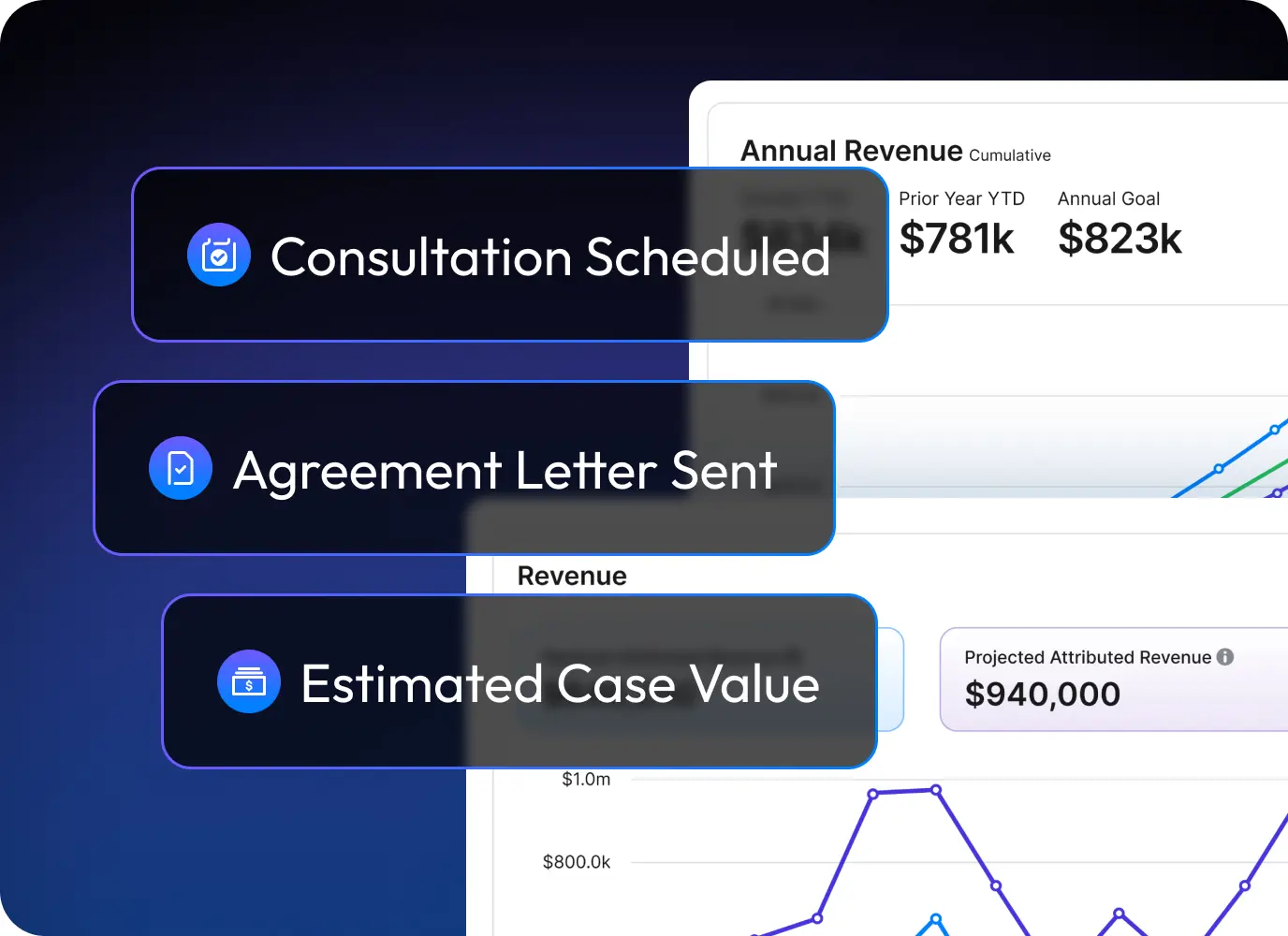
The industry calls this first-party data: your own record of who called, booked, and became a client. The more first-party data you feed in, the better Google gets at finding more people like them instead of guessing. A competitor can copy your ad, but they can't copy your data.
Ashlie Kim, Senior Vice President of Advertising at Scorpion, starts every account in the same place: getting your customer data in order. That's the information living in your CRM: the records of who called, your lists of past customers, and the values that tell Google what a paying lead looks like for you.
“We are all in on first-party data. We started that journey two years ago, and it influences how our ad system deploys and refines your ad dollars,” Kim says.
Video Gives Google More Ways to Find You
Your customer records tell Google who to go find, and video gives Google more ways to reach those customers. It's the other input Kim keeps coming back to: "Video advertising is playing a growing role in the digital landscape," he says. "You can't have enough video as a business." As more of search runs through AI, video puts your business in front of the people most likely to call. For a local business owner, that means video stops being an occasional one-off and becomes a regular part of how you show up online, putting you in front of the customers most worth winning.
The Mistake That Gets More Expensive
What holds most local accounts back isn't strategy, it's budget. Kim points to underbudgeting as the most common mistake he sees. “When Google is working with under a hundred dollars a day,” he says, “it’s difficult for the campaign to properly participate in local auctions.”
When a campaign budget is too thin, it can’t show up consistently when someone in your area is searching, and the system never gets enough room to learn what works. Think of it like only answering the phones a few hours a day. The calls still come in, you’re just not there to take them, so the client signs with whoever picked up.
What to Do This Quarter
You don’t need to chase the formats that are still in testing, you need to focus on what will help you win now:
Connect your customer records to your advertising, so Google knows who your best customers are.
Once that's connected, turn on the AI Max for Search, Demand Gen and Performance Max.
Keep video in the mix, so Google has more ways to put your business in front of the right people.
Fund your campaigns at a level that lets them compete in your local market, because even the smartest system can't win an auction it can't afford to enter.
The ads are becoming answers, and the work now is making sure that when Google goes looking for one, yours is the one it turns to.