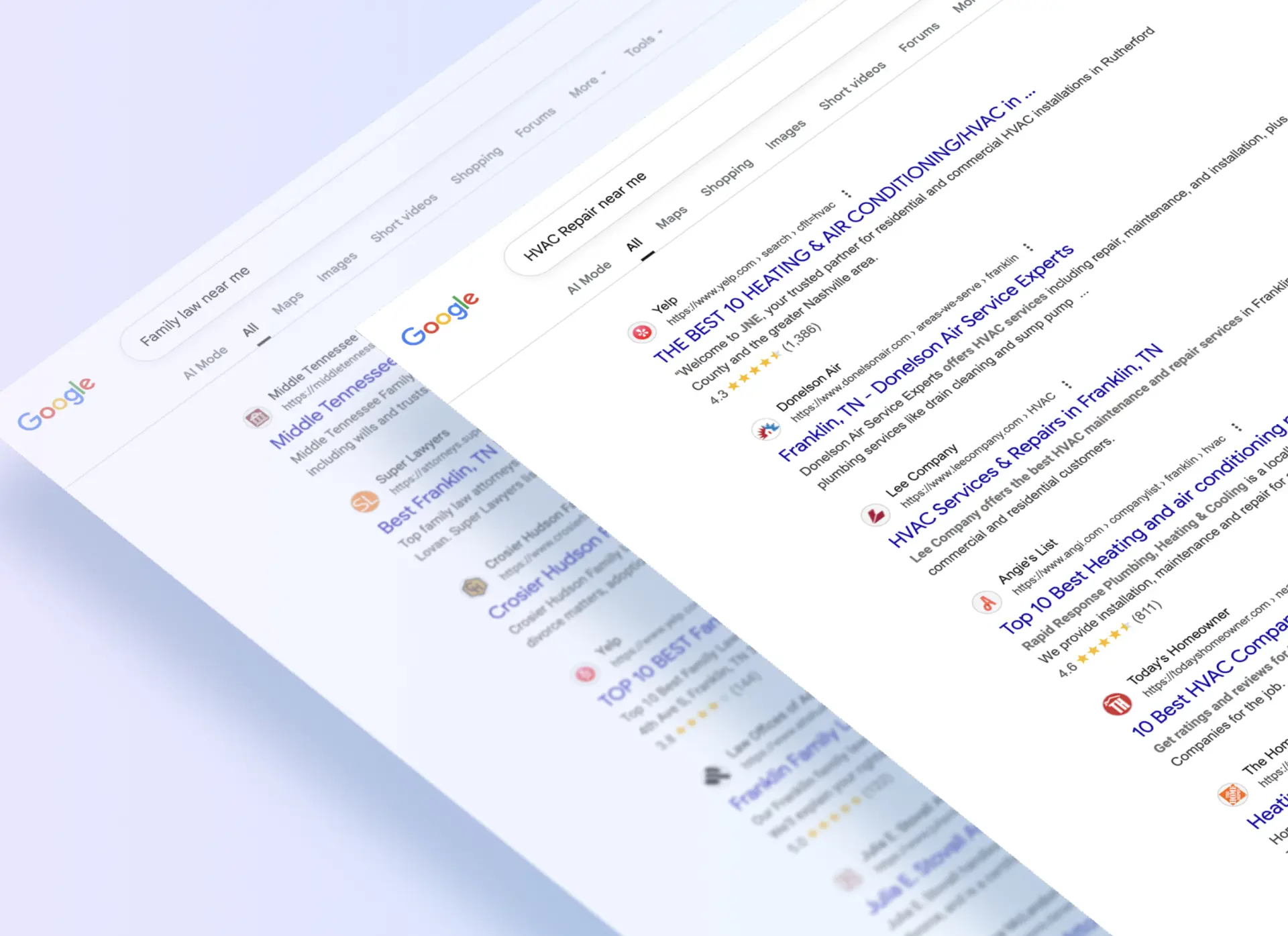
Google just made a major change to how search results are displayed. As of this update, Google now limits search results to 10 per page. In the past, it was possible to view up to 100 results at once. That option is now gone.
At first glance, this might not sound like a big deal. After all, your customers can still click through to see more results.
But behind the scenes, this change is already reshaping how keyword visibility is tracked and reported.
Why This Matters for Business Owners
For business owners, the good news is that your organic traffic and customer visibility haven’t changed. People can still search for and find you the same way they always have.
The difference is in how SEO experts (and the tools they use) measure performance. Without the ability to see beyond the top 10 results on a single page, it becomes harder to track rankings for keywords that land beyond page one. This means:
- Keyword visibility looks different. In the past, marketers could track progress for keywords all the way up to position 100. Now, keyword visibility will look more top-heavy, with less data available beyond page one.
- Reports will shift. Reports will show small declines for lower ranking keywords, not because performance dropped, but because of how Google limits reporting.
- Competitive analysis is trickier. SEO tools have less visibility into how competitors rank for long-tail (lower volume, higher intent) keywords or emerging opportunities.
Why Did Google Make This Change?
Google hasn’t shared an official reason, but most experts believe this update is designed to reduce scraping from AI bots that collect massive amounts of search data. In other words, it’s about protecting the quality and security of Google’s search results.
While the reasoning makes sense for Google, it does create ripple effects for businesses and the marketers who support them.
What This Means for Your Reports
You may notice a few changes in your SEO reports in the coming weeks:
- Higher average positions for tracked keywords.
- More “unranked” keywords, as keywords past position 20 will now show as unranked.
- Fewer total keywords showing in third party tools, such as Ahrefs, since deeper rankings are harder to measure.
- Adjusted data in Google Search Console, as Google now filters out bot traffic more effectively. While overall impressions may appear lower, your actual visibility to real customers hasn’t changed.
How Scorpion Is Responding
At Scorpion, we know how important keyword visibility is to understanding your growth. That’s why we’re taking a proactive approach to this Google SEO update:
- Focusing on the top-ranking keywords. Our reporting will highlight the rankings that matter most for driving real business results.
- Working with technology partners. We’re collaborating with our partners to adapt tracking methods and keep as much visibility as possible in our reporting.
- Doubling down on strategy. Since keyword visibility data is more limited, our team is continuing to emphasize high-value strategies, like content marketing, local SEO, and conversion optimization, to help you win where it counts most.
Search is always evolving, but our commitment stays the same: helping your business get found by the right customers at the right time.
The Bottom Line
This latest 2025 Google SEO update changes how keyword visibility is measured, not how customers find you. Scorpion’s strategy is already positioned to keep your business ahead. Search will always evolve, but you don’t have to worry about keeping up. That’s what we’re here for.